Fast endless jumper with retro pixels and unpredictable platforms
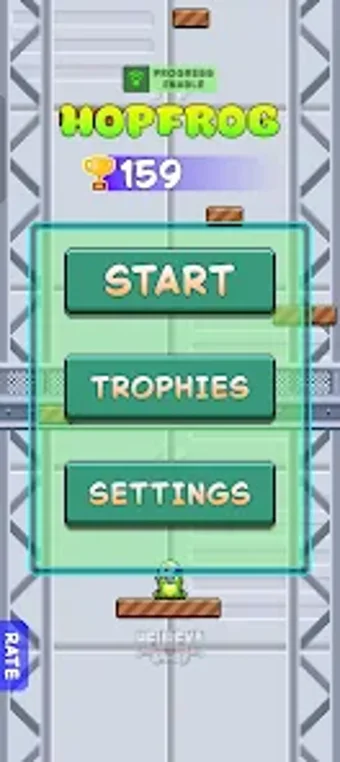
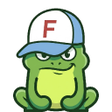
Hopfrog from Heureka Games is an Android arcade jumper that places the player in control of a tiny frog whose goal is to climb as high as possible. The app uses a simple one-tap jump to propel the frog while the level spawns moving and shifting platforms in an endless progression that prizes high scores. It presents retro pixel-art across themed stages and targets casual mobile gamers who want quick, reflex-driven sessions on the go.
What kind of game is Hopfrog? A compact, reflex-driven climber.
In this game you guide a tiny frog upward through tiers of platforms, trading precision for vertical progress. Runs end instantly on a missed jump, which encourages repeat attempts and score improvement rather than level completion. The core loop concentrates on concise bursts of input: ascend, react to changing platforms, and restart to beat your previous height. That pacing suits brief sessions between tasks.
Does it include multiplayer or social modes? No, it centers on solo score runs.
Here the emphasis is single-player high-score chasing. The app provides an endless climbing mode that increases challenge the higher you go, rather than offering live matches or cooperative play. That design frames competition around personal records and frequent retries instead of social matchmaking. Players who want leaderboards can compare scores, but the immediate experience stays rooted in isolated reflex tests against procedurally placed hazards.
What does the game look and sound like? Retro pixels with a minimalist layout.
On screen the visual identity leans on pixel-art and a stripped interface that keeps focus on motion. Four themed environments provide distinct palettes and obstacles: Steel Jump Hangar, Brick Bounce Factory, Branch Hop Woods, and the gravity-tilted Cosmic Leap Sector. The developer adopts a distraction-free presentation and compact assets to suit typical Android devices and short play bursts.
How steep is the learning curve and what keeps you returning?
For difficulty, accessibility comes from immediate controls while the challenge stems from unpredictable platform behavior and shifting hazards. Randomized platform motion prevents rote memorization and rewards raw reflexes over pattern study. Progression is open-ended and driven by incremental difficulty and chasing personal bests rather than unlock trees or checkpoints. That structure appeals to players who prefer moment-to-moment timing tests instead of extended narrative campaigns.
A focused reflex pick for quick plays, not a narrative-driven experience
The app rewards players who enjoy short, repeatable runs and personal-score competition, making it well suited to commuters and casual bursts of play. However, fans of narrative or long-form progression should expect little structure beyond endless ascent. It works as a pick-up arcade test, but not as a campaign-driven title. Consider the app when you want fast reflex practice, avoid it when you want an unfolding story.